
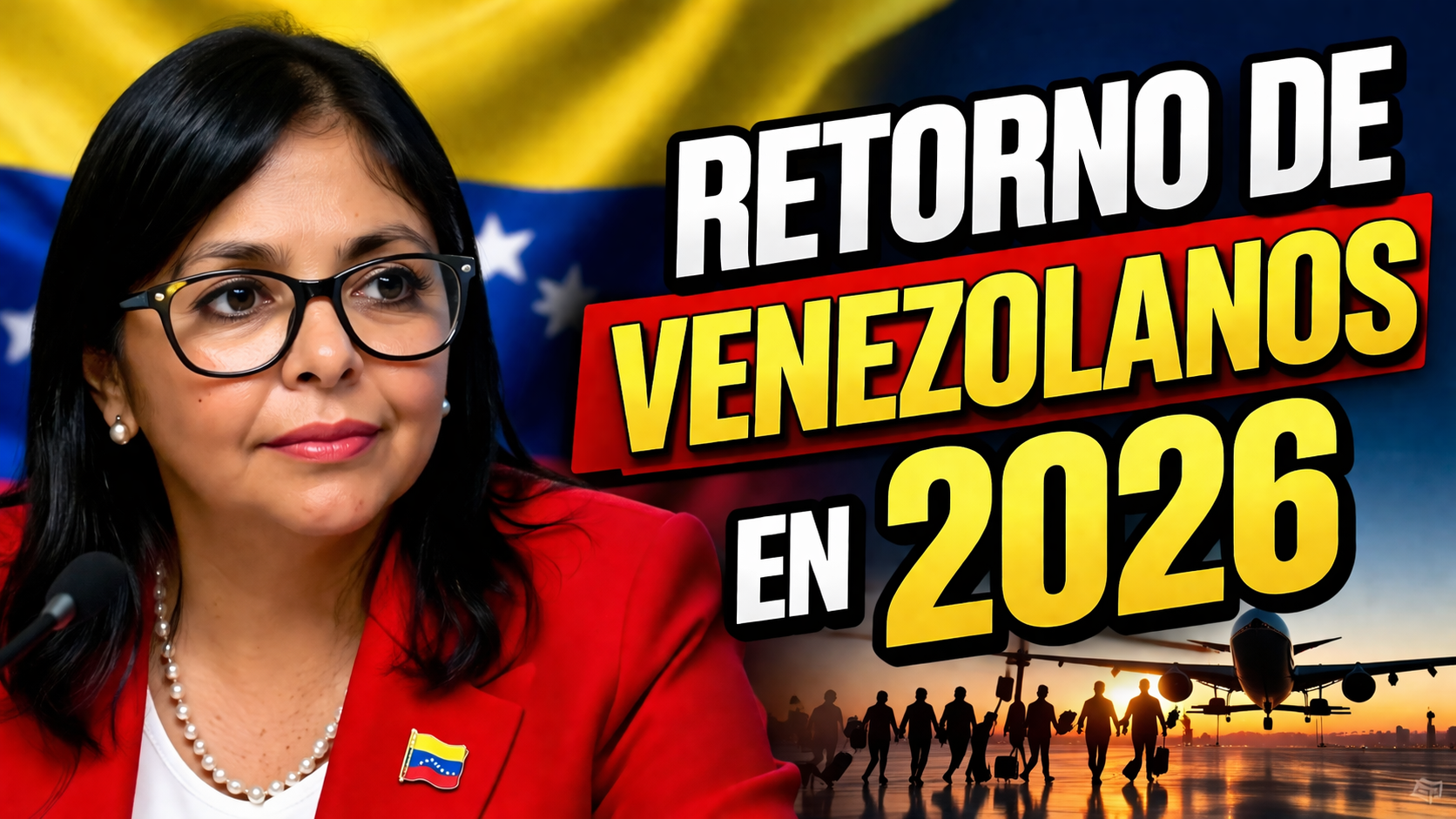
ACNUR’s March 2026 survey reveals a significant shift, with 35 percent of Venezuelan refugees in Latin America considering a return home under improved conditions. Titled «Intenciones de Regresar a Venezuela,» the study highlights family ties as the top motivator amid persistent barriers like insecurity.
La Crisis Migratoria Venezolana: Contexto Histórico
Venezuela’s exodus, one of the largest in modern history, displaced over 8 million people since 2014 due to economic collapse, hyperinflation, and political turmoil. Latin America hosts nearly 7 million, with Colombia, Peru, and Ecuador as primary destinations.
ACNUR and partners track this via the R4V platform, estimating 6.9 million refugees and migrants in the region by late 2025. Returns were minimal until recently, but 2026 signals change amid stabilizing oil prices and alliances.
Metodología de la Encuesta ACNUR
Conducted from January 27 to March 4, 2026, the survey polled 1,288 Venezuelans across Colombia, Peru, Ecuador, Brazil, Chile, and Guatemala. Respondents were refugees or migrants aged 18+, using stratified sampling for representativeness.
Questions probed return intentions, timelines, motivations, and obstacles. ACNUR stresses voluntary, safe, dignified returns, with data informing policy.
Key demographics: 52 percent female, average stay abroad 4 years, diverse professions from professionals to laborers.
Resultados Principales: Intención de Retorno
Strikingly, 35 percent contemplate returning if conditions improve—9 percent within a year, 10 percent undecided but leaning yes, 16 percent generally favorable. This could mean millions, given the diaspora scale.
Of returnees already back, 80 percent plan to stay, per prior data. Optimism ties to perceived economic upticks.
| Intención de Retorno | Porcentaje | Número Potencial (de 6.9M) |
|---|---|---|
| En menos de 1 año | 9% | 621,000 |
| Posible si condiciones | 26% | 1.8M |
| Total Contemplando | 35% | 2.4M |
| No Planean | 65% | 4.5M |
Motivaciones para Regresar
Family reunification tops reasons, cited by 70 percent—missing loved ones drives decisions. Economic stabilization, with oil revivals creating jobs, appeals to 45 percent.
Improved services like healthcare and education sway 30 percent. Nostalgia and cultural roots factor for 20 percent.
Younger respondents (18-35) prioritize opportunities; older ones family.
Obstáculos Principales al Retorno
Insecurity heads barriers at 55 percent—crime fears deter most. Unemployment worries affect 40 percent, doubting job prospects.
Poor infrastructure and services concern 35 percent. Xenophobia in host countries pushes 15 percent, but economic woes abroad accelerate thoughts.
| Obstáculo | Porcentaje | Detalles Comunes |
|---|---|---|
| Inseguridad | 55% | Delincuencia, violencia |
| Falta de Empleo | 40% | Salarios bajos, informalidad |
| Servicios Públicos | 35% | Salud, educación deficientes |
| Económicos | 25% | Costo vida alto en Venezuela |
Variaciones por País de Acogida
Colombia shows highest intent at 42 percent, proximity aiding family links. Peru and Ecuador follow at 38 percent each, economic pressures mounting.
Chile’s 28 percent reflects better integration; Brazil’s 32 percent ties to border dynamics. Guatemala, newer host, mirrors 35 percent average.
Urban migrants more return-prone than rural; professionals less so than laborers.
| País | % Contemplando Retorno | Factores Clave |
|---|---|---|
| Colombia | 42% | Cercanía familiar, economía |
| Perú | 38% | Desempleo creciente |
| Ecuador | 38% | Xenofobia, costos |
| Brasil | 32% | Oportunidades mixtas |
| Chile | 28% | Mejor integración |
| Guatemala | 35% | Similar al promedio |
Perfil de los Potenciales Retornantes
Return contemplators are often family-oriented, with ties in Venezuela. Average age 35, 60 percent have children abroad or home.
Many hold informal jobs abroad, facing saturation. 25 percent own property back home, easing reintegration.
Women cite safety more; men jobs.
Implicaciones para Venezuela
Mass returns could strain services but boost workforce. Remittances—over 4 billion annually—might dip initially but recover via local spending.
Government readies programs: housing subsidies, job training. Economic pacts with U.S. create openings.
ACNUR urges preparation: 328 million dollars requested for 2026, only 12 percent funded.
Desafíos para Países de Acogida
Hosts face integration pressures; returns ease burdens but risk brain drain reversal. Colombia, with 2.8 million Venezuelans, gains fiscally.
Regularization efforts continue, balancing outflows.
Recomendaciones de ACNUR
Agency calls for dignified returns: info campaigns, transport aid, reintegration support. Host nations should facilitate voluntary choices.
Boost funding for R4V; monitor trends quarterly.
«Returns signal hope, but must be sustainable,» states ACNUR spokesperson.
Comparación con Encuestas Previas
2024 polls showed under 20 percent intent; 2026’s 35 percent jump reflects oil-driven stability. Post-2025 economic tweaks correlate.
Global diaspora: U.S. (990,000) less return-focused at 15 percent estimated.
Testimonios y Casos Reales
Maria, Peru migrant: «Family calls daily; if jobs exist, I’ll go.» Juan, Colombia: «Insecurity here matches home fears.»
80 percent of past returnees satisfied, per follow-ups.
Perspectivas Futuras
If trends hold, 2026-2027 sees 500,000+ returns. Tied to energy boom, sustained growth key.
ACNUR monitors, adapting to shifts.
Conclusión: Un Cambio en la Diáspora
ACNUR’s survey spotlights a pivotal moment—35 percent eyeing homecoming amid hope. Family pulls strongest, but barriers persist. Coordinated efforts ensure returns benefit all.

Ella Kate es una periodista enfocada en noticias internacionales y tendencias digitales, comprometida con ofrecer información precisa y accesible para una audiencia global.